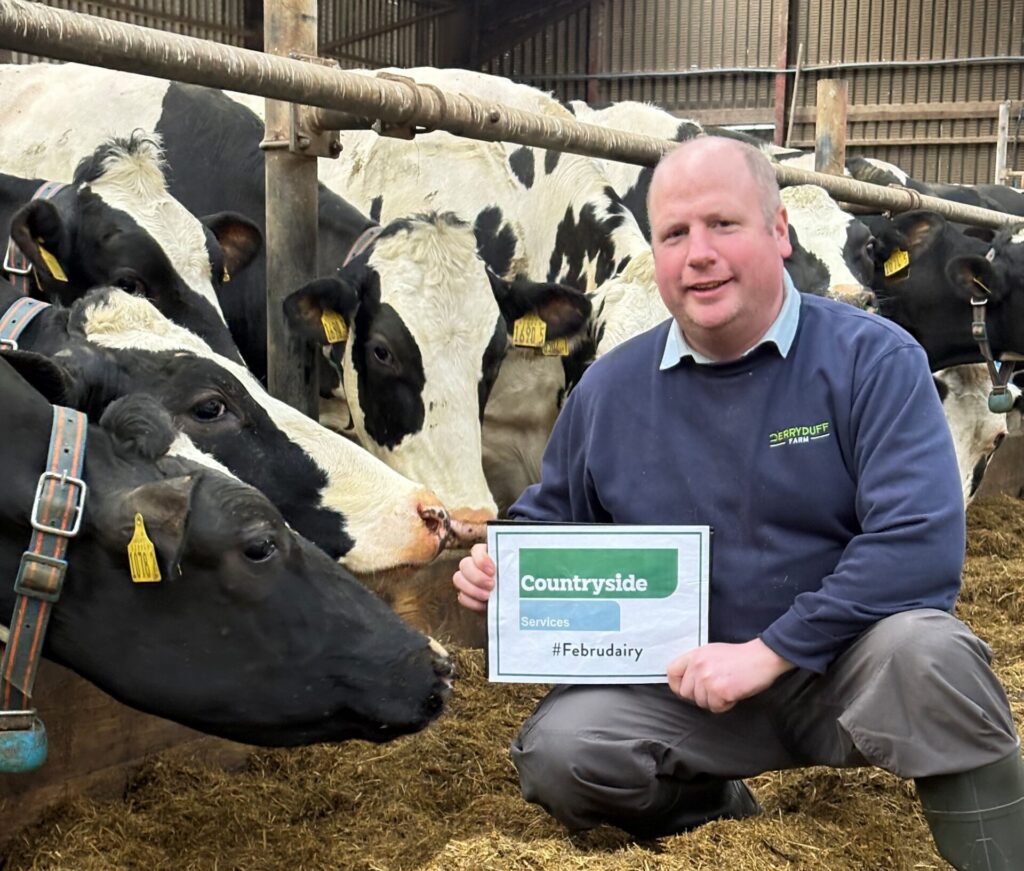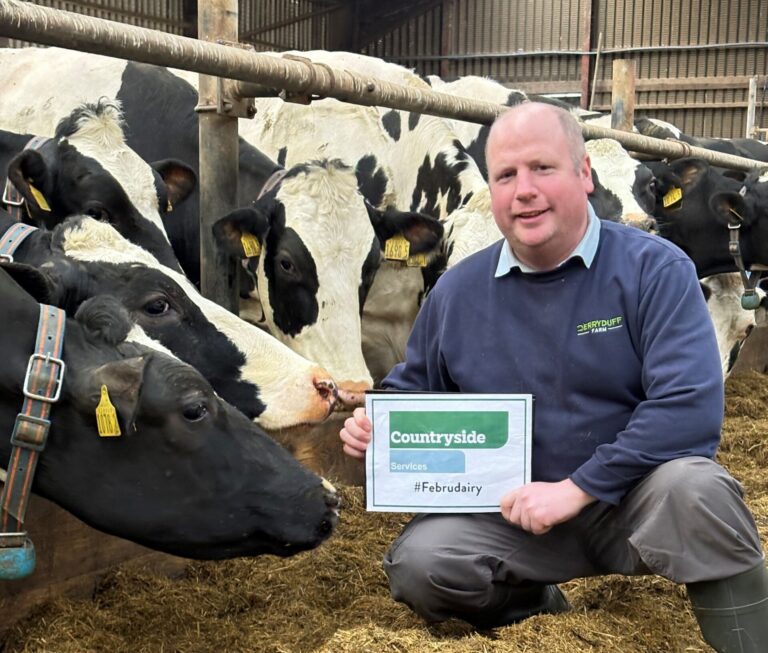
This February, we’re celebrating all things dairy by spotlighting some of our loyal customers! Stay tuned as we share their stories! First up is Derryduff Farm…
🔹 Tell us about your farm
Derryduff Farm is a family run dairy farm based outside Dungiven, where we focus on producing high quality milk from a well managed and sustainable herd. We rely on high quality forage and milk a modern, productive dairy herd with a strong emphasis on animal health, grassland management, and overall efficiency. Day to day, the farm runs on good habits, practical know how, and the kind of hands on work that keeps everything ticking over, no matter the weather. Teamwork plays a big part in that too — everyone pulling in the same direction makes all the difference on a busy dairy farm.
🔹 What is the history of your farm?
Derryduff Farm has been in the Semple family for several generations. Over the years, the farm has grown and modernised, moving from a small mixed holding to a fully dedicated dairy farm. Each generation has added improvements, from better housing and parlour upgrades to investing in genetics and technology. Today, the farm represents a blend of tradition and modern farming methods, with strong family involvement still at its core.
🔹 Why did you decide to become a farmer?
Farming is something I grew up with, and it’s always been part of who I am. I enjoy working with people and cows, and I like the challenge of managing problems as they come, finding solutions, and constantly improving the way things are done. Dairy farming gives me plenty of chances to use those skills. Every day is different, and while the work can be tough, it’s genuinely rewarding. It’s more than a job — it’s a way of life, and I wouldn’t want to be doing anything else.
🔹 What advice would you give to young farmers in dairying or looking to get into dairying?
Be willing to learn and don’t be afraid to ask questions. Surround yourself with good advisors, take advantage of training programmes, and make use of modern technology—it really can improve efficiency and decision‑making. Start with the basics: good grassland management, herd health, and attention to detail. Most of all, stay passionate and committed—dairying is demanding but offers huge opportunity for those willing to work. Have a can‑do attitude to make it happen.
🔹 What are the biggest issues facing dairy farmers now?
Key challenges include rising input costs, milk price volatility, labour shortages, and increasing regulatory pressure around the environment. Balancing productivity with sustainability expectations is becoming more important than ever. Farmers are being asked to do more with less, while proving their environmental credentials. Despite this, there are still opportunities for efficient, well‑managed farms to thrive.
🔹 What are you doing on farm to tackle climate change?
We’re focusing on improving efficiency across the herd—better genetics, higher fertility, and improved feed utilisation all help reduce emissions per litre of milk produced. Grassland is managed to maximise carbon capture, and nutrients are used responsibly through careful slurry management and regular soil testing. We also prioritise animal health and longevity, which plays a big part in lowering the farm’s overall carbon footprint. We work with our advisors to continually find the best feed ingredients to stay at the cutting edge of feeding innovation.
🔹 What influenced you to use the Caisley HDX/DNA tags and what are the benefits?
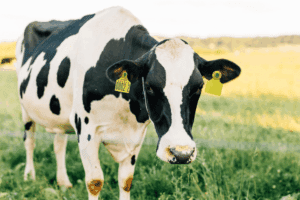
We chose Caisley HDX/DNA tags for their reliability, accuracy, and the opportunity to integrate genomic testing directly with tagging. The tags are durable, easy to apply, and give us confidence that the data linked to each animal is correct. The genomic element adds an extra level of certainty when it comes to parentage and breeding decisions.
🔹 How has this improved your herd management?
The combination of HDX technology and genomic data has made our herd records more accurate and easier to manage. It supports better decision‑making around breeding, culling, and overall herd improvement. By having verifiable data from the start, we can track performance more effectively, improve genetics within the herd, and ultimately increase both productivity and efficiency.
We’ve been genomic testing for seven years now, and my goal has always been to breed a healthier, easier to manage cow. Each year we’re relying on fewer drugs, and the technology lets us understand a calf’s potential from just six weeks of age — that’s incredibly valuable information to have when planning for the future.
Thank you Wesley for taking part in our Febru-Dairy Campaign!